
Exploring the Natural Wonders of Xinjiang: From Ancient Civilizations to Ecological Conservation

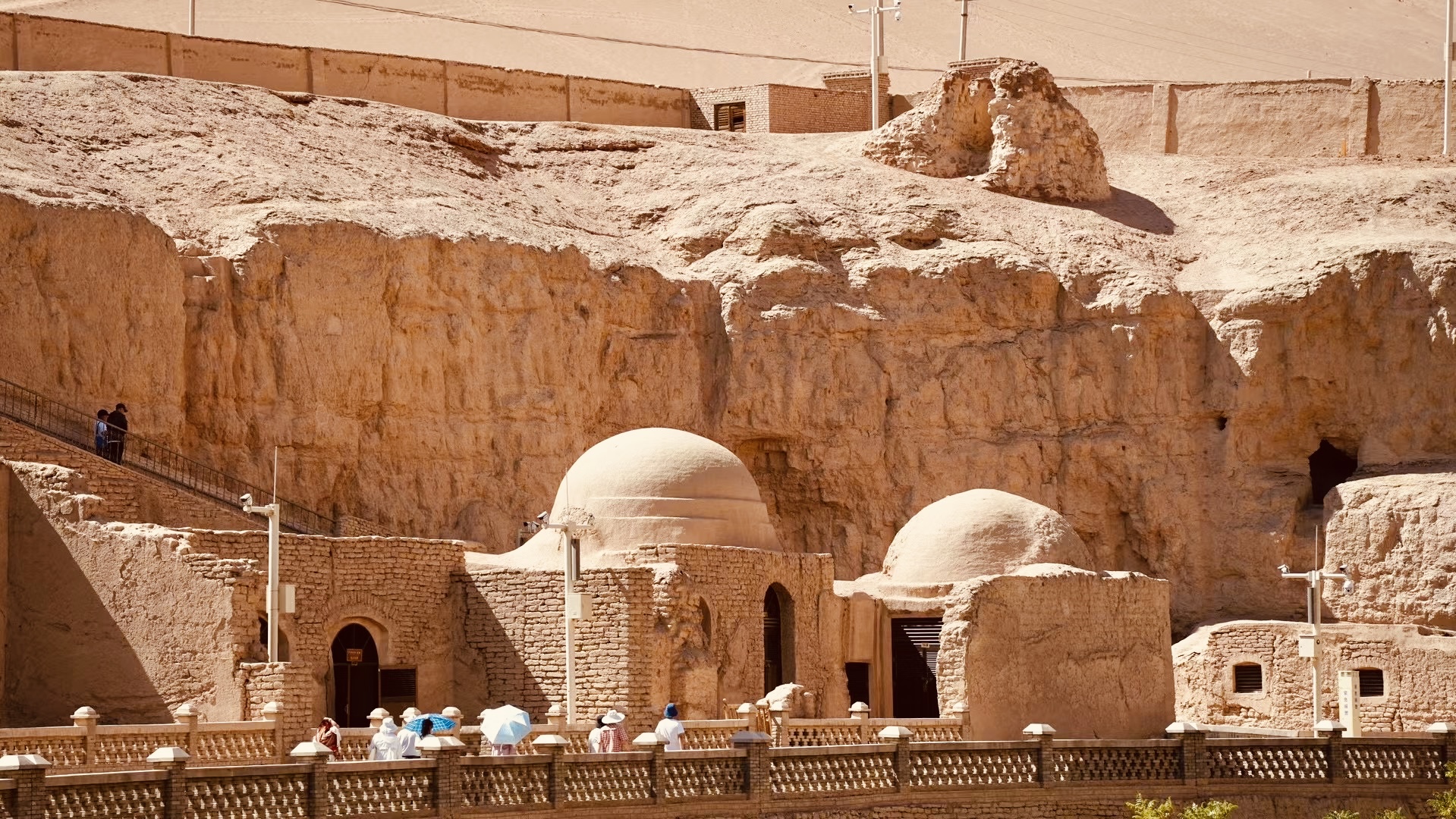
In the far northwest of China, Xinjiang is renowned for its rich historical heritage and unique natural landscapes. From vast deserts to towering mountains, this region boasts an incredibly diverse ecological environment. However, while we marvel at these natural wonders, we also face significant challenges in ecological conservation.
The image above captures Gaochang Ancient City, located in Turpan, Xinjiang. This ancient site, set in the arid desert, was once a crucial stop along the Silk Road, witnessing thousands of years of history. Today, Gaochang faces numerous preservation challenges, such as drought, sandstorms, and the impacts of climate change. Balancing cultural preservation with ecological protection has become an essential task in this region.
The unique climate of Xinjiang has shaped a fragile ecosystem, where extreme dryness not only affects the preservation of historical sites but also poses a threat to biodiversity. In response to these issues, recent conservation efforts in Xinjiang include vegetation restoration, desertification control, and improved water resource management. These measures not only protect the natural environment but also create a more sustainable setting for human activities.
From an environmental science perspective, Xinjiang exemplifies the coexistence of nature and history, offering valuable insights into ecological conservation. Protecting the natural and cultural heritage of Xinjiang is not only a way of honoring the past but also a commitment to future generations. Amidst these stark landscapes, we are reminded of humanity’s impact on nature and the importance of achieving harmony with our environment.
Explore more like this
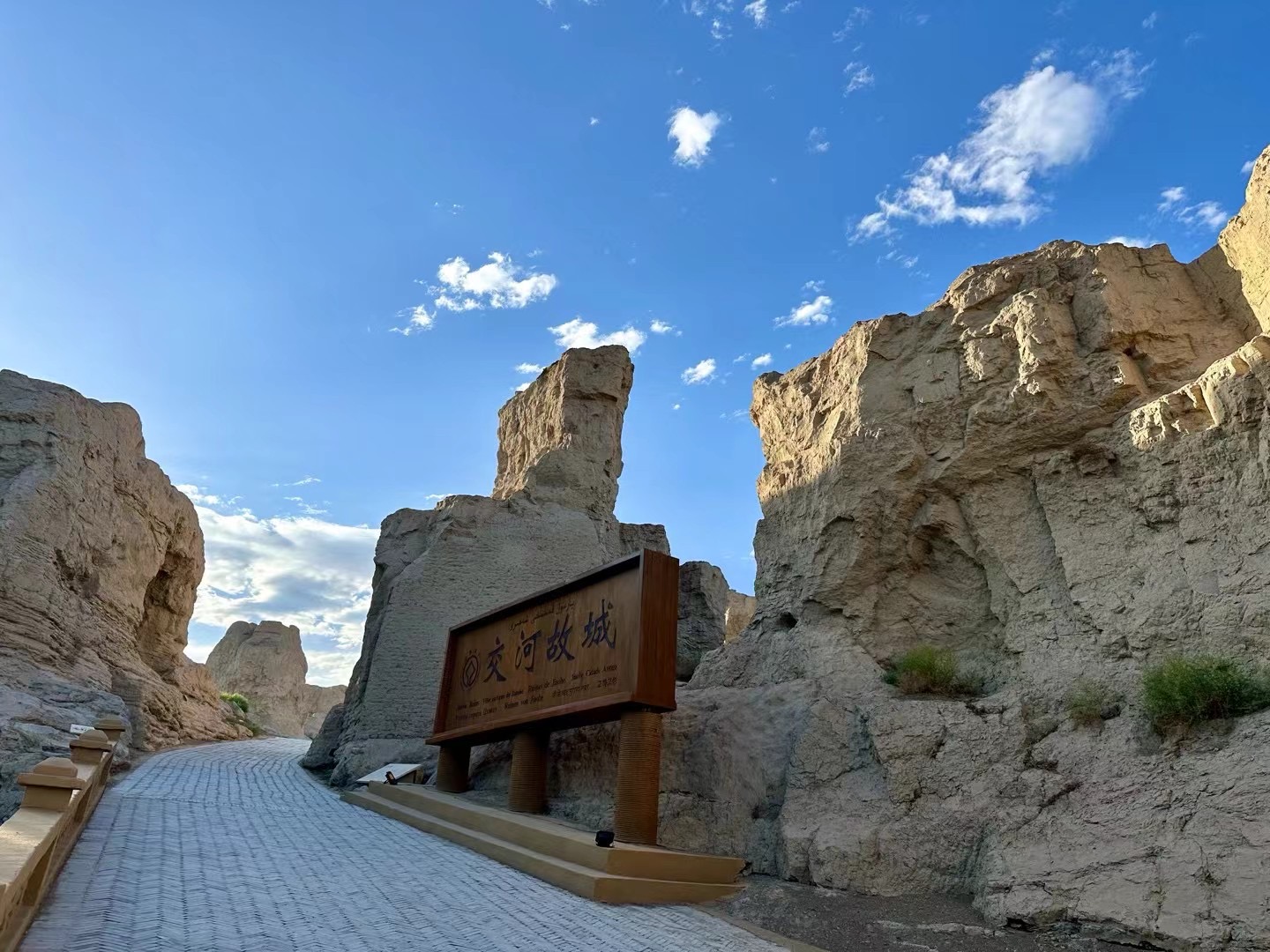
Journey Through Time: Exploring the Jiaohe Ruins in Xinjiang
Nestled in the arid landscapes of Xinjiang, the Jiaohe Ruins stand as a testament to ancient civilizations and the resilience of human endeavor. Visiting Jiaohe is like stepping back in...