
Journey Through Time: Exploring the Jiaohe Ruins in Xinjiang

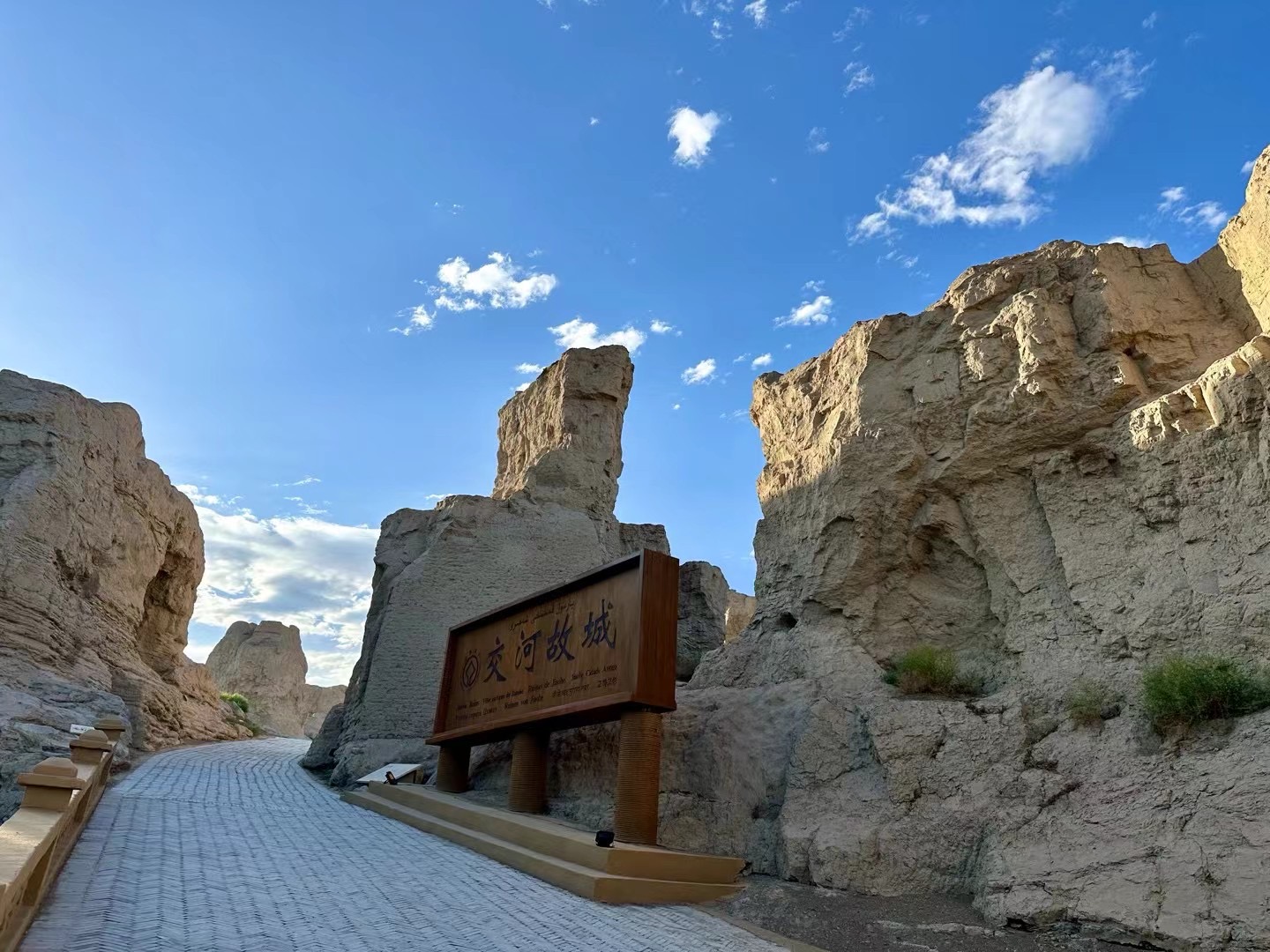
Nestled in the arid landscapes of Xinjiang, the Jiaohe Ruins stand as a testament to ancient civilizations and the resilience of human endeavor. Visiting Jiaohe is like stepping back in time, with structures that have withstood over 2,000 years of history. Located near Turpan, the Jiaohe Ruins are one of the oldest and best-preserved earthen cities in the world, offering a unique glimpse into the lives of those who thrived along the Silk Road.
Jiaohe, meaning “Confluence of Rivers,” was strategically built on an island plateau between two rivers. This natural fortress protected the city from invaders while allowing it to flourish as an important trading hub. Walking through the narrow, winding paths, I was struck by the ingenuity of its design—houses, temples, and administrative buildings are all carved directly from the earth, blending seamlessly with the surroundings. This approach not only conserved resources but also provided insulation against the harsh desert climate.
While wandering through the ruins, I felt a connection to the past and an appreciation for the architectural mastery that allowed Jiaohe to endure. Standing amidst the crumbling walls and ancient towers, I imagined the vibrant exchanges of goods, ideas, and culture that once took place here. The preservation of Jiaohe highlights the importance of conserving our cultural heritage, serving as a reminder of the need to protect sites like these from environmental threats and human impact.
The Jiaohe Ruins also underscore the intersection between history and environmental science. With rising concerns about climate change and desertification, sites like Jiaohe are vulnerable to erosion and other natural challenges. Conservation efforts here emphasize not only protecting cultural relics but also finding sustainable methods to preserve such landmarks for future generations. My visit to Jiaohe deepened my understanding of how history and the environment are intertwined, reinforcing my commitment to learning about and preserving the world we share.
Visiting the Jiaohe Ruins was more than just a historical exploration—it was a journey into the shared legacy of humanity and the powerful connection we have to our environment. As we move forward, it’s essential to honor and protect sites like Jiaohe, ensuring they remain standing for generations to come.
Explore more like this
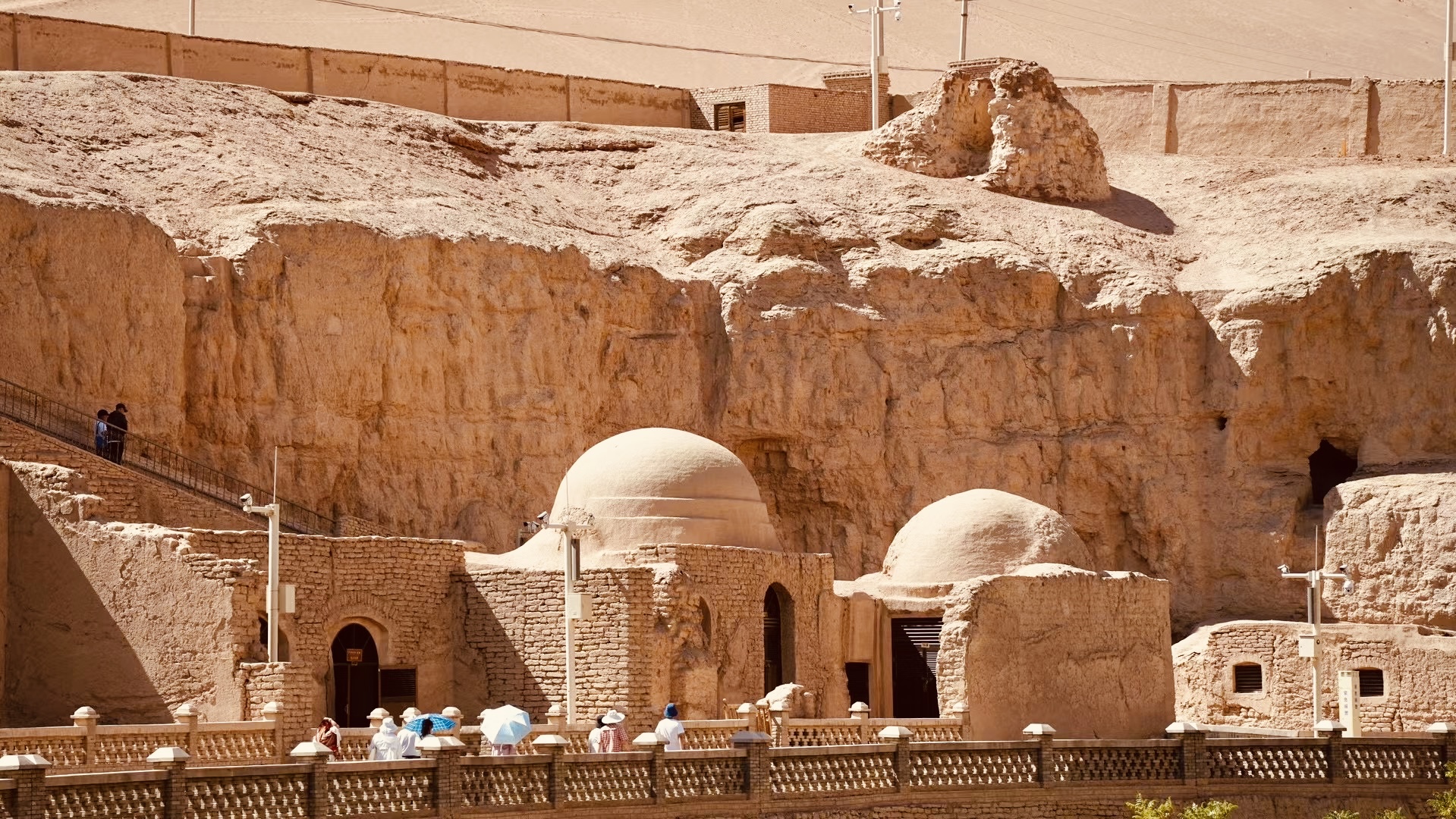
Exploring the Natural Wonders of Xinjiang: From Ancient Civilizations to Ecological Conservation
In the far northwest of China, Xinjiang is renowned for its rich historical heritage and unique natural landscapes. From vast deserts to towering mountains, this region boasts an incredibly diverse...